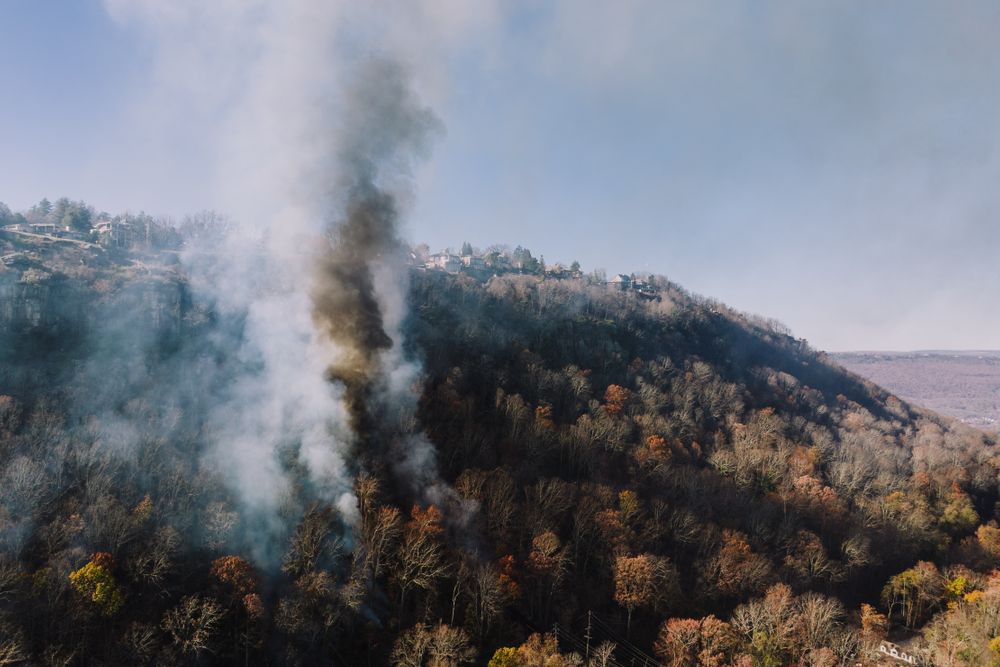
A fire can leave more than physical damage behind. Homeowners and property owners may also face difficult questions about insurance coverage, rebuilding costs, damaged belongings, temporary accommodation and how long it will take to resolve their claim.
While insurance is intended to provide financial protection after a covered loss, dealing with an insurer following a fire is not always straightforward. Disagreements can arise about what is covered, the value of the loss, the cost of rebuilding, or how much the insurer should pay.
In British Columbia, understanding your policy and documenting your losses can be important when making a fire insurance claim.
Common Problems With Fire Insurance Claims
Every insurance claim is different, but several issues commonly arise following a residential or commercial fire:
Disputed Insurance Coverage
One of the first questions following a fire is whether the loss is covered by the insurance policy.
An insurer may dispute coverage based on the circumstances surrounding the fire, the terms of the policy, exclusions, policy conditions, or other issues. In some cases, there may also be disagreement about whether particular types of damage resulted from the fire or another cause.
If an insurer says that some or all of a loss is not covered, it is important to understand the reason for the decision and review the relevant policy wording.
Inadequate Settlement Offers
Even when an insurer accepts that a claim is covered, there can be disagreement about how much should be paid.
A settlement offer may not adequately reflect the cost of repairing or replacing the property, replacing personal belongings, dealing with smoke and fire damage, or meeting other expenses arising from the loss.
It is important not to assume that an insurer’s initial assessment necessarily represents the full value of a claim. Property owners should carefully review estimates, inventories and settlement proposals before accepting an offer.
Rebuilding and Repair Costs
A serious fire can cause extensive structural damage. Rebuilding may involve demolition, debris removal, permits, construction, materials, labour, and compliance with current building requirements.
The cost of restoring a property may also change as the extent of the damage becomes clearer.
Disagreements can arise over the scope of repairs, the appropriate method of rebuilding, the cost of construction or what the insurance policy requires the insurer to pay.
Keeping detailed records of estimates, invoices, contractors’ reports and communications with the insurer can help establish the actual costs associated with the loss.
Contents and Personal Belongings
A fire can damage or destroy virtually everything inside a home or business.
Contents claims may include furniture, clothing, appliances, electronics, tools, artwork and other personal or business property. Establishing the value of these items can be challenging, particularly when receipts are unavailable.
Creating a detailed inventory of damaged or destroyed property can be helpful. Photographs, receipts, bank or credit card records, warranty information and other documentation may assist in establishing what was owned and its value.
Smoke Contamination and Related Damage
Fire damage is not limited to areas directly affected by flames.
Smoke and soot can spread throughout a building and may affect walls, ceilings, flooring, furniture, clothing, electronics, and other belongings. Odors and contamination can sometimes remain even after visible damage has been addressed.
There may be disagreement about the extent of smoke-related damage, whether particular items can be cleaned or restored, and the cost of remediation or replacement.
Property owners should document smoke and soot damage and obtain professional assessments where appropriate.
Additional Living Expenses
A home may be uninhabitable following a fire. Depending on the policy, coverage may be available for certain additional living expenses while a residence is being repaired or rebuilt.
These expenses may include temporary accommodation and other increased costs resulting from being unable to live in the insured property.
Questions can arise about what expenses qualify, the amount that is available under the policy and how long the coverage will continue.
Keeping receipts and records of additional expenses is important when submitting these portions of a claim.
Delays in Resolving a Claim
After a major fire, property owners may need answers quickly. They may be unable to live in their home, access their belongings, or resume normal business operations.
Delays can become particularly difficult when there is uncertainty about coverage, the scope of repairs, the value of the loss or the information the insurer requires.
Keeping communications in writing and maintaining a record of conversations, inspections, estimates, and requests for information can help create a clear record of what has happened.
What Should You Do After a Fire?
If you have suffered a fire loss, there are several practical steps you can take while your insurance claim is being assessed:
- Contact your insurer or insurance representative as soon as reasonably possible.
- Carefully review your insurance policy and any correspondence from the insurer.
- Take photographs and video of the damage where it is safe to do so.
- Keep damaged property until the insurer or an appropriate professional has had an opportunity to inspect it, unless it presents a safety risk or must be removed.
- Keep receipts and records for temporary accommodation, meals, and other additional expenses.
- Prepare an inventory of damaged or destroyed contents.
- Obtain and keep copies of repair, restoration, and rebuilding estimates.
- Keep records of communications with your insurer, adjuster, contractors, and other professionals.
- Ask questions if you do not understand a coverage decision or settlement offer.
- Consider obtaining legal advice if there is a significant dispute about coverage, the value of the loss or the handling of your claim.
What If You Disagree With Your Insurance Company?
A disagreement with an insurer does not necessarily mean that the matter has to go immediately to court. Depending on the circumstances, there may be opportunities to provide additional information, clarify the claim, obtain further estimates, or negotiate a resolution.
However, if there is a significant dispute about coverage or the amount an insurer is prepared to pay, it may be worthwhile to obtain legal advice before accepting a settlement or taking further steps.
Insurance policies can contain important terms, conditions, exclusions, and deadlines. The applicable rules can also depend on the type of policy and the circumstances of the loss.
The Insurance Act of British Columbia contains statutory provisions relating to insurance contracts, including statutory conditions applicable to certain classes of insurance. Your individual policy should be reviewed to determine what provisions apply to your claim.
Fire and Wildfire Insurance Claims in British Columbia
Fire losses can occur in many circumstances, including structure fires, wildfires and fires that result in extensive smoke or property damage.
For property owners affected by wildfire, the insurance claim may involve many of the same issues as a traditional fire claim, including the extent of property damage, contents, smoke contamination, additional living expenses, and rebuilding costs.
When a major loss occurs, the financial and practical consequences can be significant. Understanding your insurance coverage and obtaining advice when a claim becomes disputed can help you make informed decisions.
If you are having difficulty with an insurance claim following a fire, our lawyers can review the circumstances of your claim, explain your options, and help you understand the next steps. Contact Davie & Associates to discuss your situation and learn more about your legal options.